
Editor’s Note 2025 Update
This article has been updated to explain how drug rehab works based on current research and understanding of addiction treatment. The goal is to provide a clear, compassionate, and faith-supported overview of what happens during rehab, how treatment addresses physical and psychological aspects of addiction, and why each step matters for long-term recovery. All source citations are from neutral scientific and public health publications, not rehab marketing content.
How Drug Rehab Helps People Recover
Drug rehabilitation is a structured, evidence-based process designed to help individuals stop using substances, address the underlying causes of addiction, and build the tools needed for lasting recovery. Rehab is not a single event it is a sequence of steps that address the physical, emotional, and behavioral aspects of substance use disorder. Research shows that comprehensive treatment increases the likelihood of sustained recovery and helps people manage addiction as a chronic condition.
A Chronic Condition, Not a Moral Failing
Addiction is understood by scientists as a chronic, relapsing condition involving changes in brain circuits related to reward, motivation, and self-control. Treatment enables people to counteract these changes and begin regaining control of their lives. Just as managing other chronic illnesses requires ongoing care, so too does addiction treatment.
Initial Assessment and Personalized Planning
The first step in most rehab programs is a comprehensive evaluation of a person’s substance use history, medical background, mental health status, and personal circumstances. This evaluation helps clinicians determine the appropriate level of care and develop an individualized treatment plan based on the person’s unique needs.

Detoxification When Needed
For individuals with physical dependence on drugs, the detoxification process may occur early in treatment. Medical professionals supervise detox to safely manage withdrawal symptoms, which can be dangerous or uncomfortable without support. Detox alone is not sufficient for recovery but prepares the body and mind to engage more effectively in the next steps of treatment.
Therapeutic Interventions
Drug rehab typically uses a combination of evidence-based therapies to address psychological and behavioral aspects of addiction. These interventions may include:
- Individual counseling to explore personal history, triggers, and coping strategies
- Group therapy to share experiences and build peer support
- Behavioral therapies that help people change patterns of thinking and behavior associated with substance use
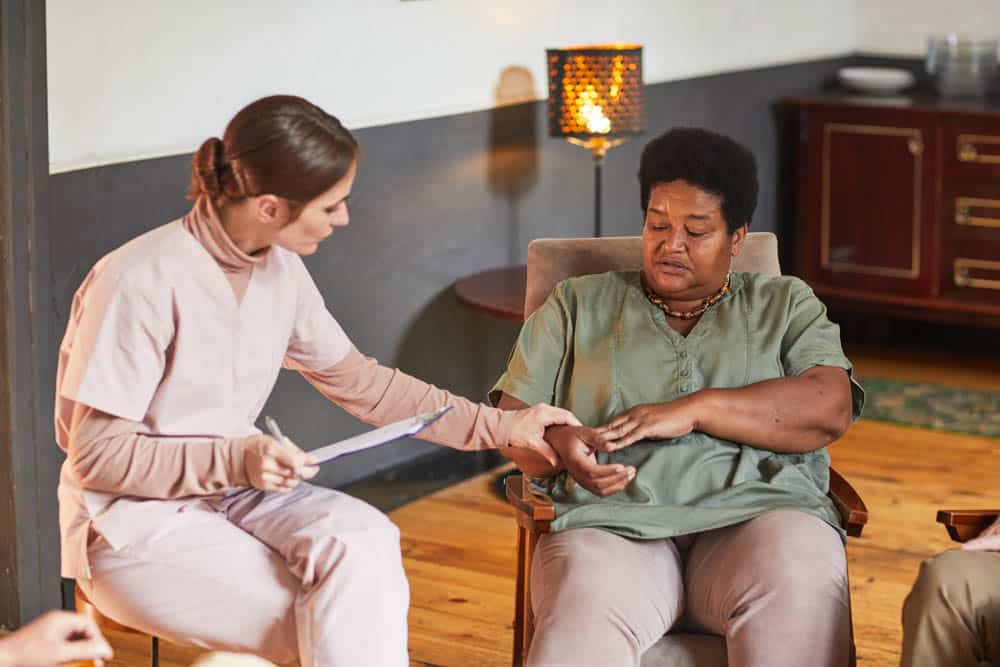
Therapy is a central part of rehab and helps individuals understand the root causes of addiction, develop new skills, and strengthen healthy habits.
Levels of Care
Rehab programs vary in structure and intensity based on individual needs:
- Inpatient or residential treatment provides 24/7 support in a structured environment, helping individuals focus on recovery without daily distractions.
- Outpatient treatment allows people to participate in therapy while living at home and engaging in everyday responsibilities.
Both levels of care aim to teach coping skills and support long-term recovery, and many people transition between levels as their needs change.
Aftercare and Ongoing Support
Recovery does not end when formal treatment ends. Aftercare services such as outpatient therapy, support groups, and sober living arrangements help reinforce the skills learned in rehab and provide ongoing encouragement. Continued support reduces the risk of relapse and supports long-term recovery goals.
Why Rehab Works When It Is Comprehensive
Effective rehab addresses multiple aspects of addiction:
- Physical health through medical monitoring and detox
- Mental and emotional health through therapy and counseling
- Behavioral change through skill building and relapse prevention
- Social support through group work and peer relationships
- Spiritual and personal meaning for those who include faith in their recovery
By treating the whole person, not just the substance use, rehab helps people build a foundation for a stable, healthy life.
Faith and Recovery
For many people, faith and spiritual practice are integral parts of healing. Scripture offers comfort and guidance during difficult periods of change. “Come to me all you who are weary and burdened and I will give you rest” (Matthew 11:28) reminds us that healing involves both courage and support beyond ourselves.
Frequently Asked Questions
Is drug rehab the same for everyone?
No. Treatment is personalized based on the severity of substance use, co-occurring mental health conditions, and individual goals. Different people benefit from different levels of care and therapeutic combinations.
How long does rehab take?
There is no fixed timeline. Some programs run for 30, 60, or 90 days or longer. Long-term recovery often involves continuing support beyond initial treatment.
Does rehab guarantee lifelong sobriety?
No treatment can guarantee a specific outcome. However, research shows that longer engagement in treatment and continued aftercare significantly improves the chances of lasting recovery.

A Compassionate Perspective on Healing
Drug rehab works by meeting people where they are and helping them build new patterns of thinking and living. It is a process of recovery that acknowledges the complexity of addiction, values human dignity, and supports individuals as they grow physically, emotionally, and spiritually.
Choosing rehab is not a sign of weakness it is a brave step toward a more stable, meaningful life. With structured care, support, and perseverance, many people find freedom from addiction and work toward sustainable wellbeing.